


5 Signs It’s Time to Replace Your Roof in New Orleans (And What It Costs)
March 21, 2026Your roof is one of the most critical components of your home, especially in a city like New Orleans, where heavy rain, humidity, strong winds, and hurricanes can take a serious toll on roofing materials. While regular maintenance can extend its lifespan, every roof eventually reaches a point where repairs are no longer enough.
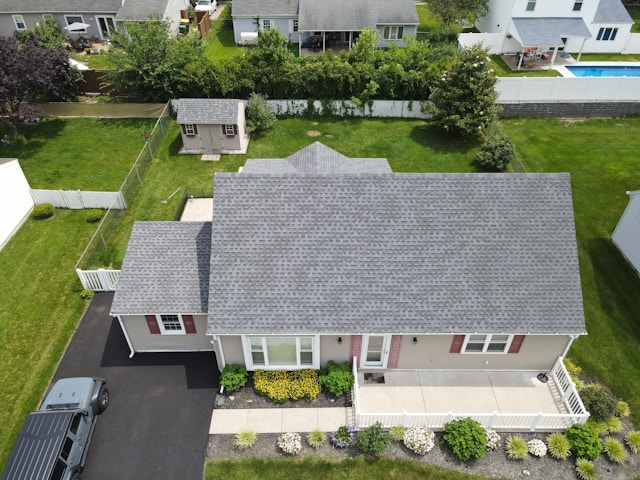
Knowing when it’s time for a full roof replacement can save you from costly water damage, structural issues, and skyrocketing energy bills. In this guide, we’ll break down the top five signs your roof needs replacing, what it typically costs in New Orleans, and how to make the right decision for your home.
Why Roof Replacement Matters in New Orleans
New Orleans homes face unique environmental challenges. The combination of high humidity, frequent storms, and intense UV exposure accelerates wear and tear on roofing systems. Materials that might last 25–30 years in other regions may deteriorate much faster in southern Louisiana.
Additionally, storm damage isn’t always obvious. Even minor issues can lead to leaks, mold growth, and compromised insulation over time. That’s why proactive roof replacement is often more cost-effective than waiting for a major failure.
Sign #1: Your Roof Is Over 20 Years Old
Age is one of the most reliable indicators that it’s time to consider a replacement.
Most asphalt shingle roofs—the most common type in New Orleans—last between 15 and 25 years depending on maintenance and weather exposure. If your roof is approaching or has surpassed this age range, it’s likely nearing the end of its lifespan.
What to watch for:
- Curling or brittle shingles
- Loss of granules
- Frequent minor repairs
- Faded or uneven appearance
Even if your roof looks “okay” from the ground, aging materials may no longer provide adequate protection against moisture and wind.
Sign #2: Missing, Cracked, or Curling Shingles
Shingles are your roof’s first line of defense. When they start to fail, your entire roofing system becomes vulnerable.
Common warning signs include:
- Shingles that are cracked or broken
- Edges that curl upward or inward
- Bald spots where granules are missing
- Shingles blown off after storms
In New Orleans, strong winds and hurricanes can quickly escalate minor shingle damage into major roofing issues. If damage is widespread, a full replacement is usually more cost-effective than patchwork repairs.
Sign #3: Water Leaks or Interior Damage
One of the clearest signs your roof needs replacing is water intrusion.
If you notice water stains on your ceiling, peeling paint, or damp spots in your attic, your roof may already be compromised.
Interior warning signs:
- Brown or yellow ceiling stains
- Mold or mildew growth
- Musty odors
- Warped drywall or wood
By the time leaks are visible inside your home, the problem has often progressed significantly. Delaying replacement can lead to structural damage and costly remediation.
Sign #4: Sagging Roof or Structural Issues
A sagging roof is a serious red flag that should never be ignored.
This can indicate:
- Water damage to decking
- Rotting structural supports
- Long-term moisture buildup
- Excess weight from debris or pooling water
In a city prone to heavy rainfall like New Orleans, poor drainage and prolonged moisture exposure can weaken your roof’s foundation.
If you notice any sagging or uneven areas, it’s essential to act quickly. In most cases, this level of damage requires a full roof replacement rather than repairs.
Sign #5: Rising Energy Bills
Your roof plays a major role in regulating indoor temperature. If it’s no longer performing efficiently, your HVAC system has to work harder—leading to higher energy costs.
Signs your roof is affecting energy efficiency:
- Increased cooling costs in summer
- Uneven temperatures throughout your home
- Poor attic ventilation
- Heat buildup in upper floors
Replacing your roof with modern, energy-efficient materials can significantly reduce your monthly utility bills while improving comfort.
What Does Roof Replacement Cost in New Orleans?
Roof replacement costs can vary depending on several factors, including roof size, materials, labor, and the complexity of the project.
Below is a general cost breakdown for homeowners in the New Orleans area:
| Roof Type | Average Cost (New Orleans) | Lifespan | Best For |
|---|---|---|---|
| Asphalt Shingles | $6,000 – $12,000 | 15–25 years | Budget-friendly, common homes |
| Architectural Shingles | $8,000 – $15,000 | 25–30 years | Better durability and aesthetics |
| Metal Roofing | $12,000 – $25,000 | 40–70 years | Storm resistance, long-term savings |
| Tile Roofing | $15,000 – $30,000+ | 50+ years | High-end, durable, heat resistant |
Factors that affect pricing:
- Roof size and pitch
- Removal of old roofing materials
- Structural repairs
- Permits and inspections
- Labor costs in the New Orleans area
While the upfront cost may seem high, a new roof is a long-term investment that protects your home and increases property value.
Repair vs. Replacement: How to Decide
Many homeowners struggle with whether to repair their roof or replace it entirely. While repairs may seem like the cheaper option upfront, they aren’t always the most cost-effective solution.
Choose repair if:
- Damage is minor and localized
- Roof is relatively new (under 10–12 years)
- No structural issues are present
Choose replacement if:
- Damage is widespread
- Roof is nearing the end of its lifespan
- You’ve had multiple repairs in recent years
- There are leaks or structural concerns
In New Orleans, where weather conditions can quickly worsen roofing problems, replacement is often the safer long-term choice.
Benefits of Replacing Your Roof
A new roof offers more than just protection—it delivers a range of benefits that improve your home’s overall performance and value.
Key advantages include:
1. Enhanced Protection A new roof provides superior defense against storms, wind, and moisture.
2. Improved Energy Efficiency Modern materials reflect heat and improve insulation, reducing energy costs.
3. Increased Home Value A new roof is a major selling point for potential buyers.
4. Better Curb Appeal Fresh roofing enhances the overall appearance of your home.
5. Peace of Mind You won’t have to worry about unexpected leaks or emergency repairs.
Why Local Expertise Matters
Roof replacement isn’t just about installing new materials—it requires an understanding of local climate conditions, building codes, and storm risks.
Working with a contractor familiar with New Orleans ensures:
- Proper material selection for humidity and storms
- Compliance with local regulations
- High-quality workmanship tailored to the region
Local experience can make a significant difference in how well your new roof performs over time.
How the Roof Replacement Process Works
Understanding what to expect can help you feel more confident about your investment.
Typical steps include:
- Inspection & Estimate A professional evaluates your roof and provides a detailed quote.
- Material Selection You choose the best roofing material based on budget and needs.
- Preparation Old roofing materials are removed, and the structure is inspected.
- Installation New roofing system is installed with proper sealing and ventilation.
- Final Inspection The contractor ensures everything meets quality and safety standards.
Most residential roof replacements in New Orleans can be completed within a few days, depending on the size and complexity of the project.
When Should You Replace Your Roof?
Timing matters when planning a roof replacement.
Best times of year:
- Late winter to early summer
- Periods with lower rainfall
- Before hurricane season begins
Scheduling your replacement before peak storm season can help you avoid emergency situations and potential delays.
Final Thoughts
Your roof is your home’s first line of defense against the elements and in New Orleans, that defense is constantly put to the test.
If you’ve noticed signs like aging materials, missing shingles, leaks, sagging areas, or rising energy bills, it may be time to consider a full roof replacement. Acting early can save you thousands of dollars in repairs and prevent serious structural damage.
Investing in a new roof not only protects your home but also improves comfort, efficiency, and long-term value.